November 4, 2025
J/105 S/V Asterix: Lessons Learned from Racing in the Summer 2025 Season in Puget Sound
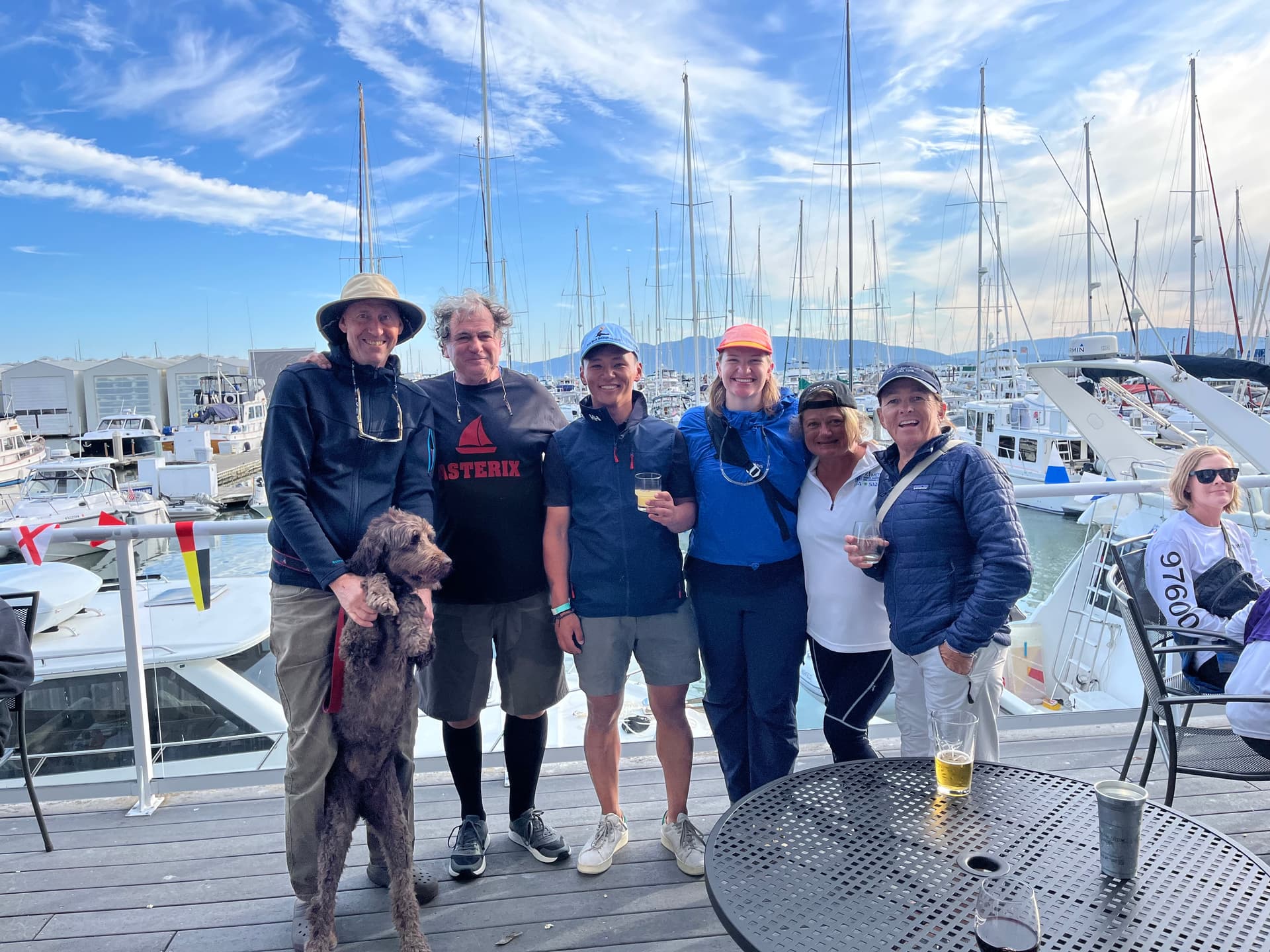
This past summer, I had the privilege of racing aboard S/V Asterix, a J/105, during the Wednesday night racing series in Puget Sound. It was a season full of learning—some lessons came easy, others came after frustrating finishes and post-race debrief sessions. Here are three key takeaways that made a real difference in our performance.
The Main Halyard: Small Adjustment, Big Impact
For the first half of the season, our results were, frankly, terrible. We couldn't figure out why we were consistently slow upwind. The boat felt sluggish, and we were getting passed by boats we knew we should be competitive with.
The culprit? Our main halyard wasn't hoisted all the way up. This meant the luff of our mainsail wasn't fully tensioned, and we weren't getting the power we needed. The sail shape was off—too much draft in the wrong places, and the leading edge wasn't as clean as it should have been.
Once we identified the issue and got the halyard adjusted properly, the difference was immediate. The main powered up correctly, the helm felt more balanced, and suddenly we were fast again. It's a good reminder that sometimes the simplest things—basic sail trim fundamentals—can make or break your performance. Always check your halyard tension before the start.
In-Hauling: Not the Magic Bullet We Expected
Going into the season, we had high hopes for in-hauling our jib leads. The theory is sound: moving the jib lead inboard tightens the slot between the main and jib, allowing you to point higher in lighter air.
In practice, on the J/105, we didn't see the gains we expected. Our apparent wind angle (AWA) stayed consistently around 25 degrees regardless of how much we in-hauled. The boat just didn't want to point any higher.
What did make a noticeable difference was maintaining a steady heel angle of around 15 degrees. Keeping the boat flat and stable let the sails work efficiently and kept the rudder from fighting against excessive weather helm. Instead of chasing higher pointing angles through lead position alone, focusing on consistent heel gave us better overall VMG upwind.
Fraculation: The Speed Difference Is Real
One of the biggest revelations of the season was learning about and implementing fraculation—a technique that's become increasingly popular in the J/105 fleet.
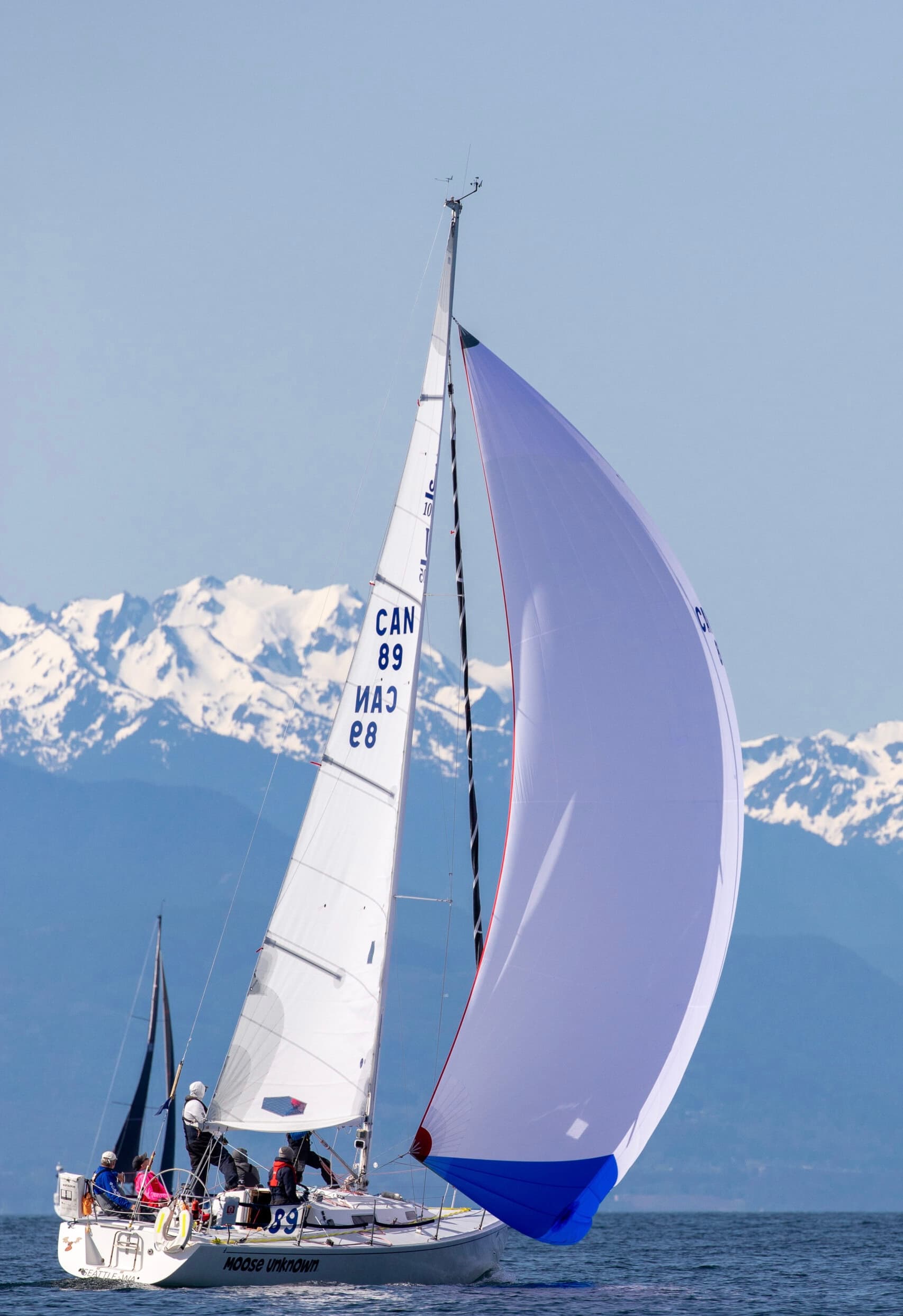
So what exactly is fraculation? The technique involves using the furled jib's jib sheet to apply downward pressure on the forestay. This bends the mast forward, which changes the geometry of your spinnaker—the sail projects differently relative to the apparent wind and becomes more stable in deeper angles.
The setup is straightforward: with your jib furled, you tension the jib sheet to pull down on the forestay. This forward mast bend opens up the leech of the spinnaker and lets you sail deeper without the chute collapsing. It's particularly effective when you're trying to soak down toward DDW (dead downwind).
On Asterix, the speed difference was significant. We were able to point noticeably deeper—sometimes 10 to 15 degrees lower—while only giving up about 0.5 knots of boat speed. In terms of VMG downwind, this was a huge net gain. We covered less distance sailing fewer gybes, and our downwind legs became one of our strongest points by the end of the season.
Looking Ahead
Racing is a constant learning process. Every season brings new insights, new mistakes, and new opportunities to get better. The summer 2025 season on Asterix taught me that performance gains often come from nailing the fundamentals—proper halyard tension, consistent heel angle, and smart downwind tactics.
If you're racing a J/105 or any similar one-design boat, I hope these lessons help. And if you're ever out on Puget Sound on a Wednesday night, give us a wave. We'll be the ones finally going fast.